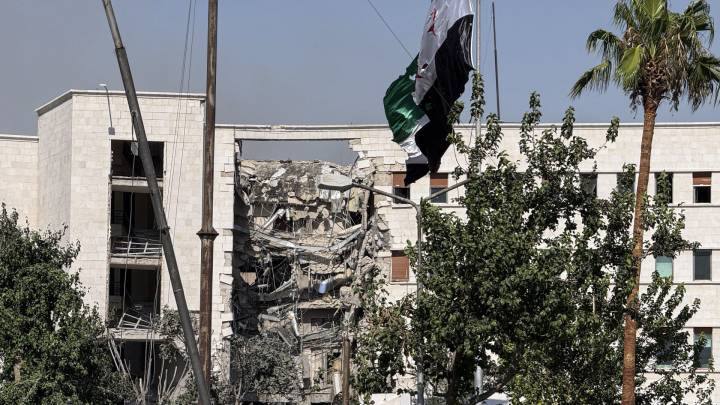
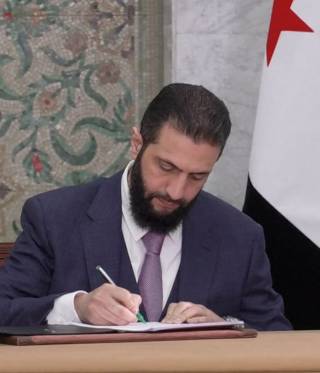
The end of the Autonomous Administration in Northeastern Syria follows the doctrine of stabilization through centralization. In this process, the transitional government of Ahmad Al-Sharaa can count on the backing of its neighbours and the United States.
Politics
Iran justifies its blockade of the Strait of Hormuz by invoking its own legal norms and is already preparing a new regulation intended to secure Tehran's maritime supremacy in the strait even after the war ends. However, the proposed legislation has more than one drawback.
The strategy behind Operation “Epic Fury” is failing. Why exiting the war remains so difficult—and how the conflict has already caused irreversible damage.
Selectivity and asymmetries of power have accompanied international law since its inception. From a German perspective, this issue takes on particular significance, especially in the midst of the war with Iran and the naval blockade of the Strait of Hormuz.

In the war with Iran, the U.S. strategy seems to be either absent or backfiring. Is Washington perhaps sending a signal to China? Analysts within D.C.´s Foreign Policy Bubble differ

Ali Khamenei's killing and the appointment of his son have fundamentally changed the political landscape and the social psyche of Iran. Why the succession from son to father runs counter to the self-image of the Islamic Republic – and how Iran's new Supreme Leader will shape the face and actions of the regime.

The spread of the war to Lebanon threatens to tear society apart. The views on Hezbollah on the one hand and the Lebanese government on the other could hardly be more different. A visit to southern Lebanon.

Both diplomacy and deterrence have failed: How the Gulf states are responding to Iranian counterattacks, not only considering red lines but also questioning US hegemony in the region.