Politics
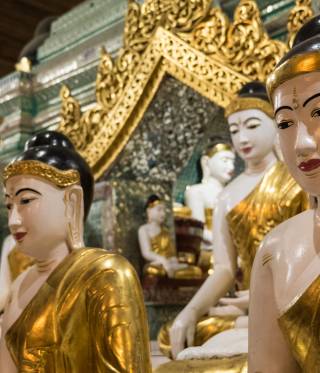
Hans-Bernd Zöllner, one of the leading researchers on Myanmar, warns that a lack of knowledge stands in the way of real progress in the Rohingya crisis. And he explains how to make sense of Nobel Peace laureate Aung San Suu Kyi’s conflicting role.
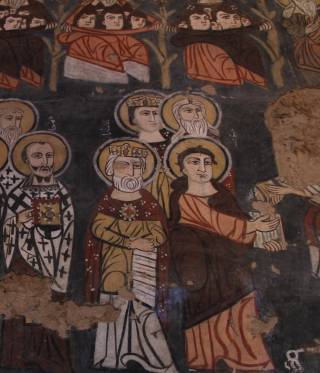
Many countries in the Middle East allegedly guarantee freedom of religion as a constitutional right. In practice, this freedom is often nothing but illusory, as politicians simply override the judiciary.
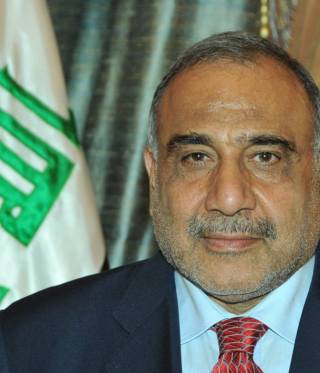
Branded as a compromise candidate, Iraq’s new Prime Minister Adil Abdul Mahdi has made a bold entrance, issuing a number of unorthodox policy proposals. But will his nomination trigger a sustained momentum before the euphory fades away?
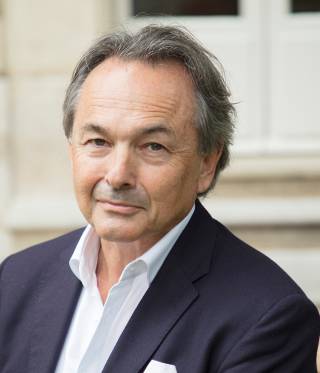
Gilles Kepel’s latest book on ‘getting out of the chaos’ in the Middle East can be read as an account of the interplay of authoritarian rule and Islamist mobilisation. Or as a critical appraisal of Kepel’s own intellectual journey.
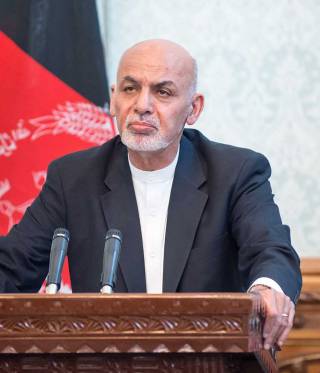
Peace on the ground and a government on the brink of collapse: Veteran Afghanistan specialist Anatol Lieven makes sense of the conflicting news from Afghanistan–and sheds light on what the Taliban are really up to.
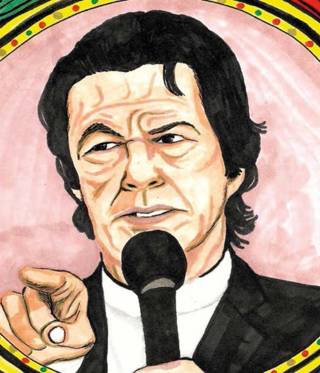
Imran Khan’s election day victory fed off the hopes and dreams of my generation. Still, he relies on the power pillars of the past. That’s bad news for democracy in Pakistan.
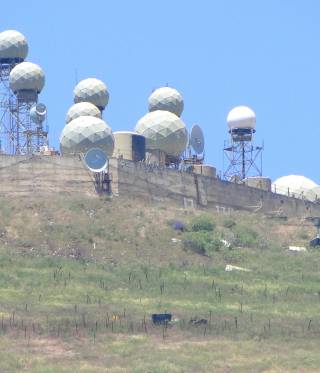
Israel cannot accept the Iranian settlement on Syrian soil only a few kilometers from the border. IDF airstrikes in response to the Iranian rocket salvo headed for the Golan Heights attest to a regional strategic shift.

Focussing on domestic economic development is the best way to prevent Iran from playing a destructive role in the region. The JCPOA remains key to that goal.