Politics
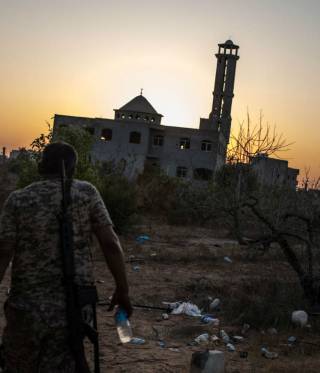
As Haftar’s latest assault on the Libya capital enters a new phase, many Libyans have been killed, displaced and left mentally traumatised by a conflict which grinds on with no end in sight.
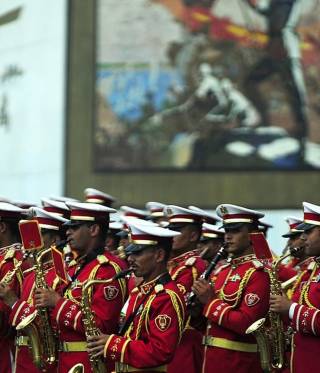
Yezid Sayigh has spent many years closely examining the interdependence of the military and the economy in Egypt. He explains why investors are skating on thin ice putting their money into country and why the military is hiding in the TV market.
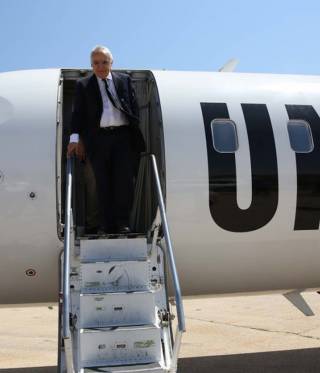
Libya entered a new era in 2011 – full of hopes but burdened by setbacks. A look back at the most important developments over the past eight years from the fall of Gaddafi to the Battle of Tripoli.
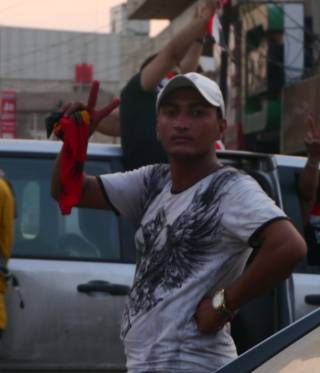
Have the Middle East’s only two experiments in consociationalism failed? Demonstrators in both Lebanon and Iraq are demanding a change of their respective political systems. Yet, there are differences between the situations in the two countries.
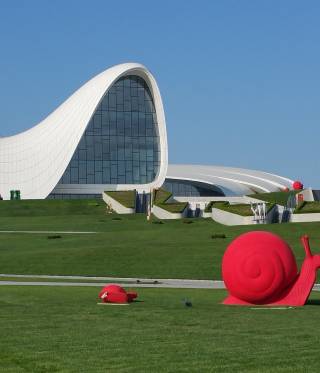
Belonging to the right family in Azerbaijan means a free ride to immense wealth. Authorities have publicly committed to fight rampant corruption. But civil society activists and opposition politicians push for a more thorough look into public funds.
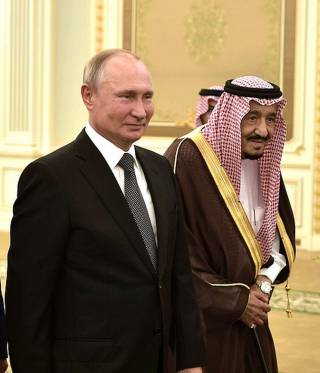
Putin’s visit to Riyadh and Abu Dhabi in mid-October demonstrated the full magnitude of Russia’s prestige in the region and cemented Moscow’s position as a leading power in the Middle East. But what is the Kremlin’s realistic clout in the Gulf?
New elections in Lebanon would probably favor those already in power. Yet, the constitution offers an alternative to political sectarianism that would start with a referendum.
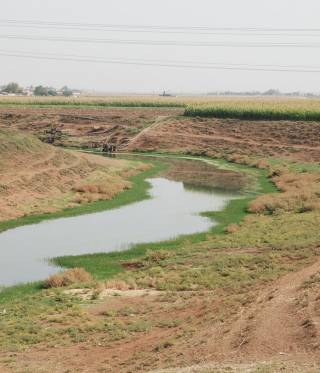
Turkey’s interests and the goal of autonomy in northeastern Syria can be reconciled. And Russia has the chance to assume the responsibility it has aspired to for so long, argues Naseef Naeem.